
Anti UAV Net Stainless Steel Wire Rope Mesh
Anti-UAV Wire Rope Protective Net – 304 Stainless Steel Wire Rope Mesh
Anti UAV Net Stainless Steel Wire Rope Mesh
Galvanized steel wire rope mesh for anti-drone protection, anti-drone protective netting
Power plants, hydroelectric stations, oil refineries—galvanized steel wire rope mesh for anti-drone protection, anti-drone protective netting
Stainless steel anti-drone netting serves as a passive physical barrier. By installing a mesh of stainless steel wire ropes over or around an area requiring protection, the system prevents drone incursions—either by causing the drone’s propellers to become entangled in the mesh or by forcing the drone to collide with the barrier. As it does not rely on electronic jamming or signal hijacking, it functions as a "final physical line of defense" and is typically deployed in conjunction with other measures, such as radar detection or radio-frequency (RF) interference systems.
Core Specifications and Materials
There is no unified national standard for such netting; it is generally customized for specific projects. However, common engineering parameters include:
- Material Grade: 304/304L stainless steel is the standard choice (offering a balance between cost and weather resistance). For coastal or highly corrosive environments, 316/316L is recommended, while some high-end solutions utilize duplex stainless steel.
- Rope Diameter: Typically ranges from 1.2 mm to 4.0 mm. A diameter of approximately 2.0 mm is generally sufficient for small, consumer-grade drones, whereas larger or high-speed drones require a diameter of 3.2 mm or greater.
- Mesh Size: Typically ranges from 30 mm to 150 mm. For micro-quadcopters, the mesh aperture is usually kept to around 50–60 mm to prevent the drone from passing through; for larger fixed-wing drones, the aperture can be appropriately increased.
- Structural Type: Options include ferrule-type (where nodes are secured with metal sleeves, providing high stability and precision) and knotted/woven-type (offering greater flexibility, though with slightly lower node strength).
Key Design Principles and Application Scenarios
- Physical Interception Mechanism: Upon colliding with the net, a drone’s propellers become entangled in the steel cables, causing it to lose lift. The mesh—relying on its inherent toughness and the elasticity of its supporting structure—absorbs the impact energy, causing the drone to either fall or remain suspended in the net.
- Typical Applications: Prisons and correctional facilities (to prevent the delivery of contraband), airport clearance zones, critical infrastructure (such as nuclear power plants, substations, and data centers), military bases, and large-scale outdoor event venues.
- Important Considerations: The net itself does not generate electronic countermeasures and cannot prevent drones from approaching; it only functions upon physical contact. Its protective effectiveness is highly dependent on the strength of the supporting structure (posts, steel frames, and tension cables) as well as the wind load conditions at the site.
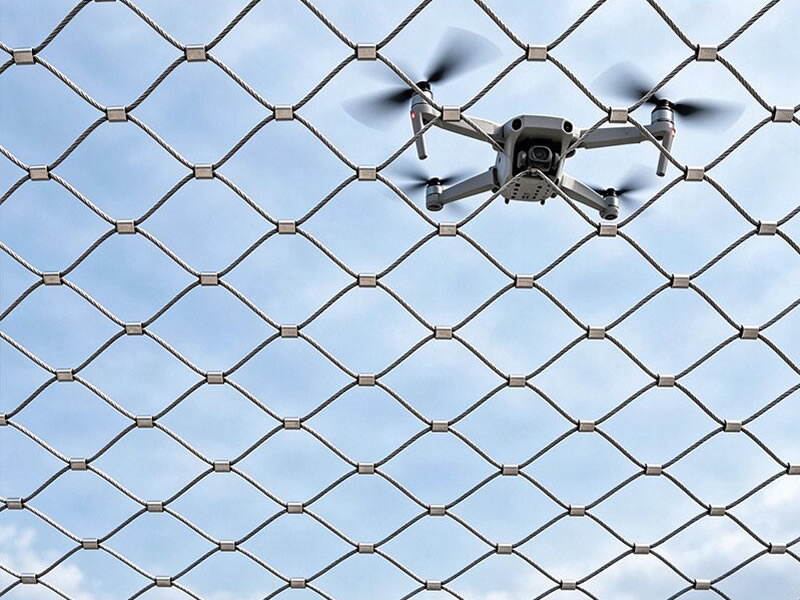
316 Stainless steel wire rope mesh for anti-drone protection
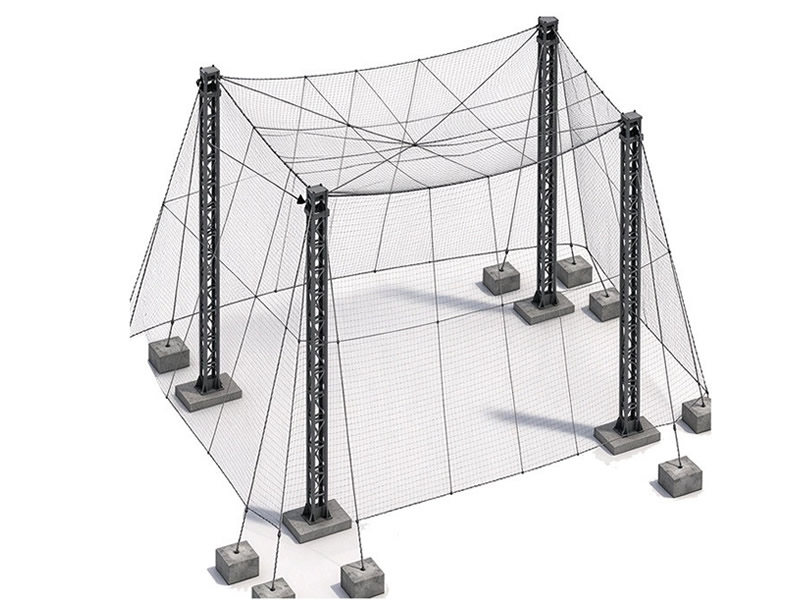
Stainless steel wire rope mesh for anti-drone protection
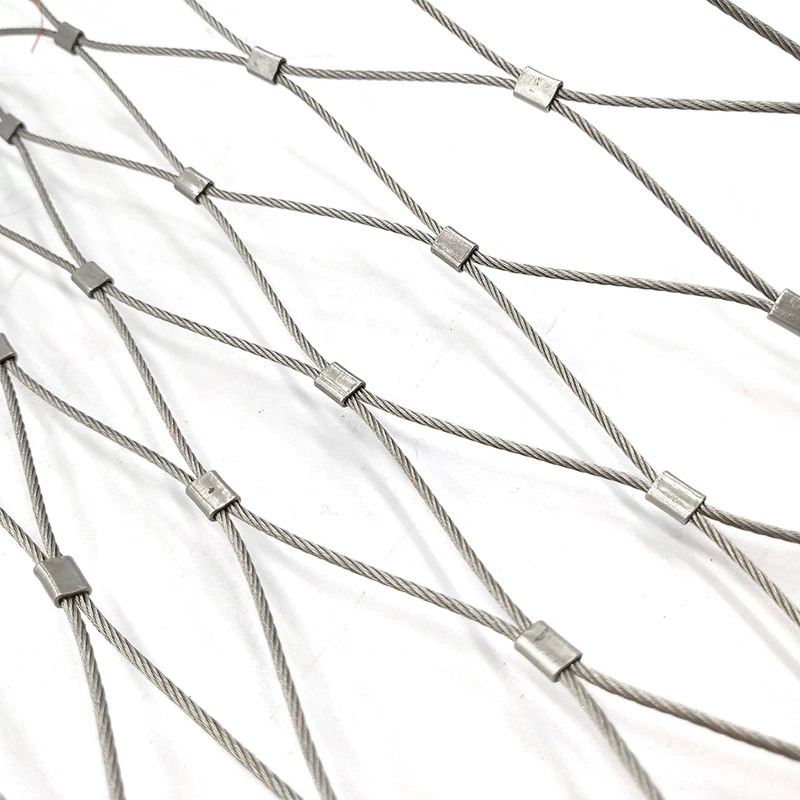
Anti-UAV Wire Mesh
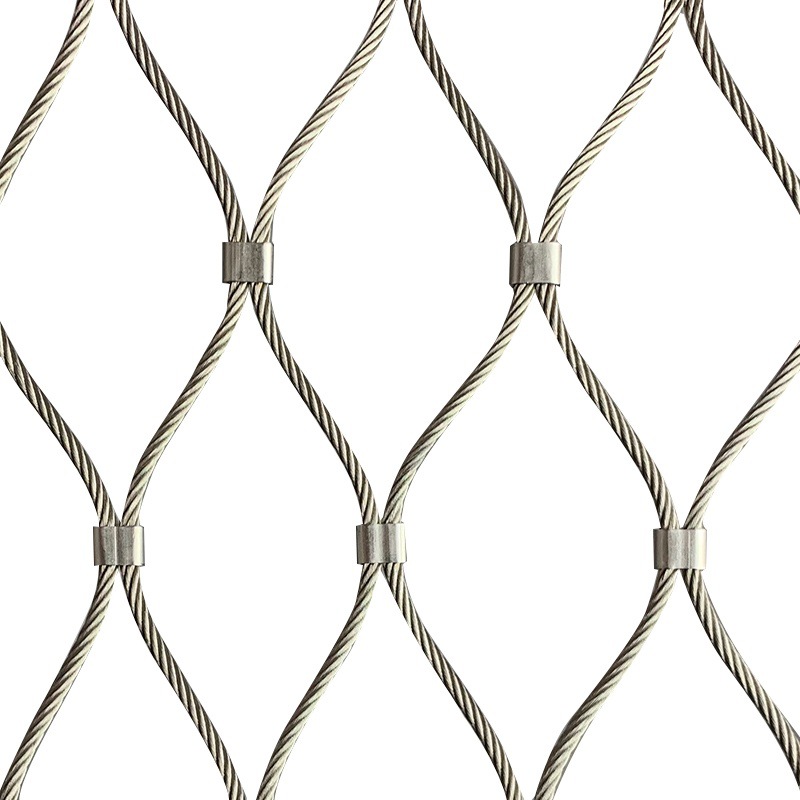
Galvanized steel wire rope mesh for anti-drone protection
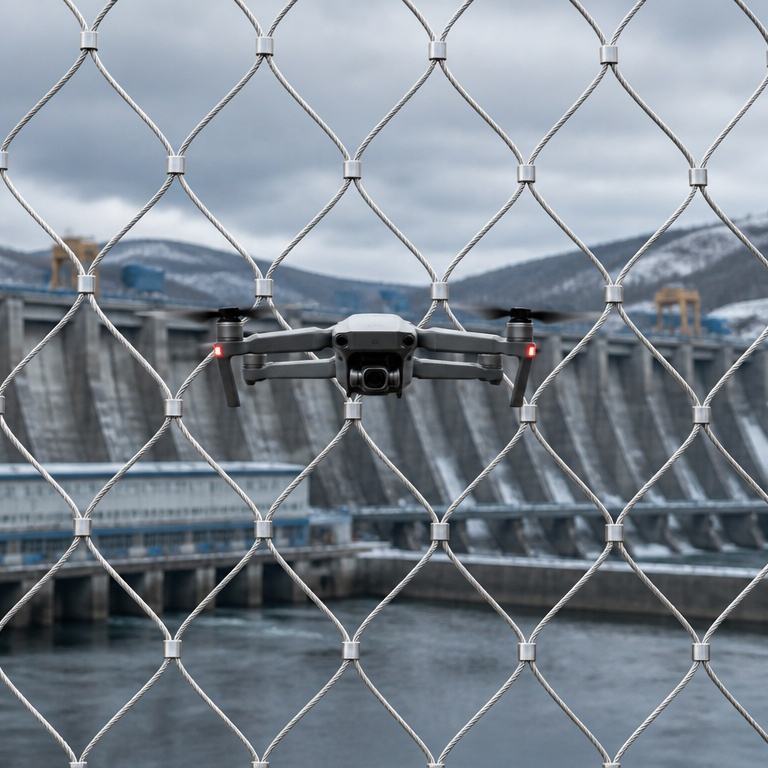
304 Stainless steel wire rope mesh for anti-drone protection
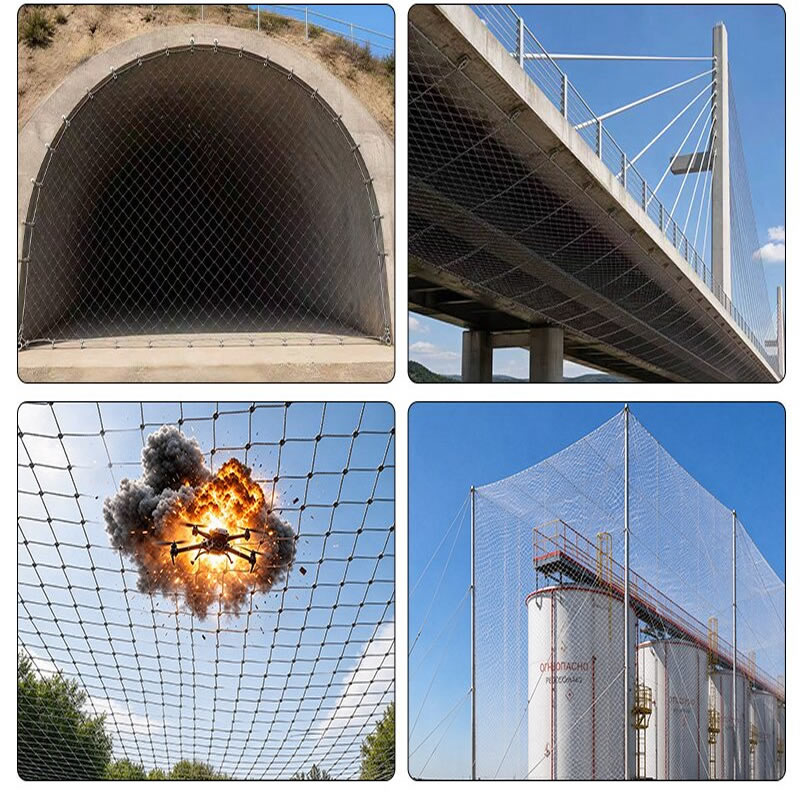
Anti-drone Protective Netting